
Resources
Office Cleaning Checklist: What Each Room Needs and What to Check
A checklist for the six zones of a working office, from the lobby to the copy room, with the tasks each one takes and what to look for the morning after a visit.
Lobby and reception
The lobby forms a visitor’s impression in the few seconds before anyone greets them, so its checklist leans toward what people see at eye level and underfoot. Each visit typically covers:
- Entry door glass and push plates, inside and out where reachable
- The reception counter top and its front panel, where bags and elbows leave marks
- Seating, side tables and display racks wiped and straightened
- Entry mats vacuumed and the floor beneath them cleaned
- Bins emptied, including the one hidden behind the desk
To check it, stand where a visitor stands the next morning. Look at the glass with daylight behind it, the base of the counter where shoes scuff, and the corners of the entry where grit piles up. A lobby with hard flooring at the door and carpet beyond shows tracked-in soil at that seam first.
Elevator lobbies and the corridor outside your suite often belong to the building rather than your lease, so confirm whose list they sit on before judging them.
Workstations and private offices
Desks hold work in progress, so the usual rule is to clean what is clear and leave papers, screens and personal items where they sit. This zone’s list covers the bin under each desk, clear desktops, the ledges of low partitions, chair arms and the open carpet between rows. Edge vacuuming and the space under each desk usually rotate through the week.
The quick test is a hand run along a partition top and a look under two or three desks. A dust line on the cubicle tops, crumbs below the keyboard tray or one full bin in a row tells you whether the zone gets full attention or a pass down the aisle. Private offices with closed doors deserve the same test, because a dark room is the easiest one to overlook.
Hot desks and shared benches change the rule. With no owner leaving papers out, every surface can be wiped each night, which makes a posted clear-desk policy worth having in a shared office.
Conference and meeting rooms
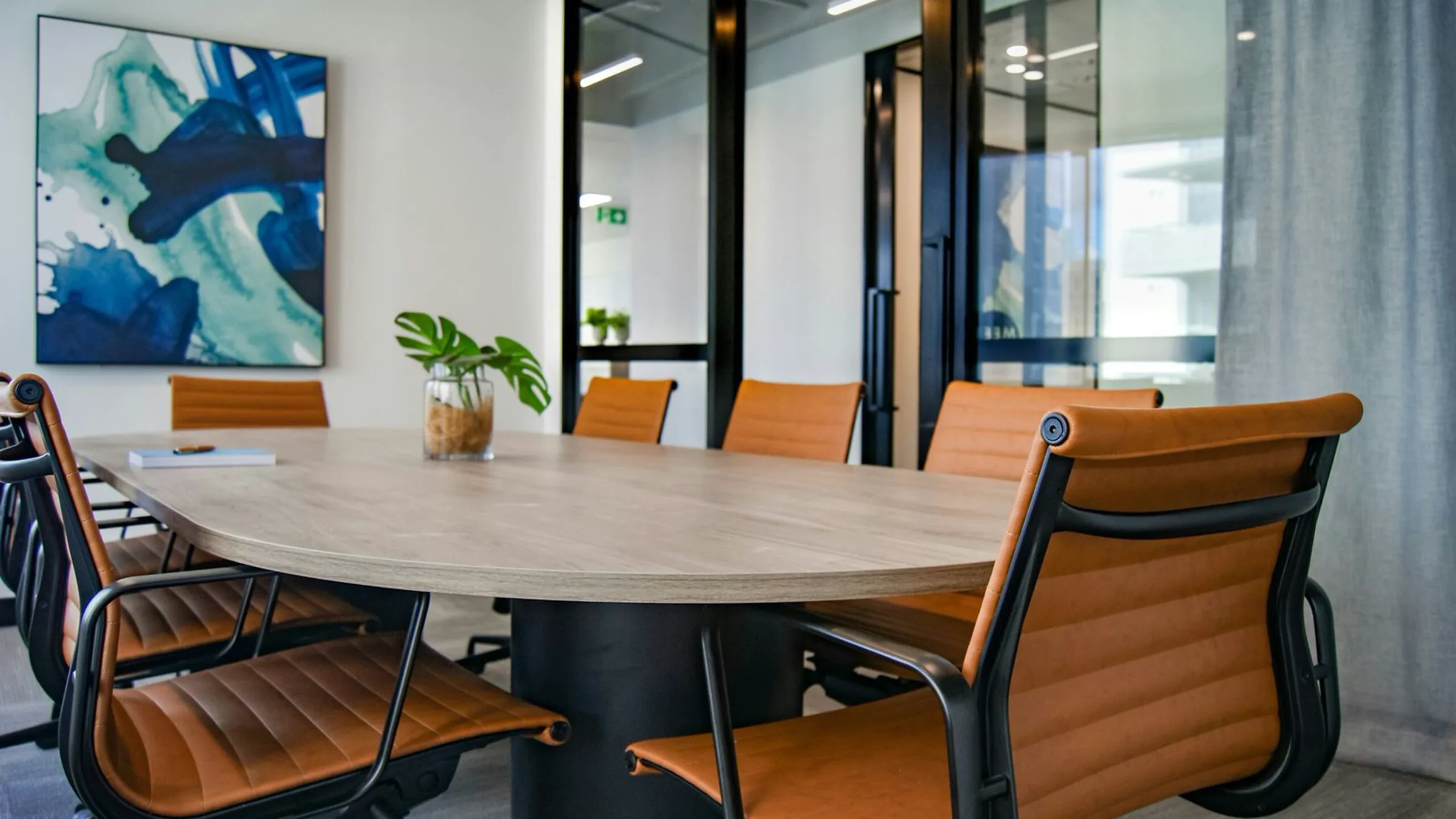
Meeting rooms take short, intense use: coffee cups, lunch leftovers, marker on the whiteboard and chairs pushed every direction. The nightly reset clears and wipes the table, empties the bins, returns the chairs, vacuums the floor and lifts fingerprints from glass walls and doors.
Whiteboards need a house rule. Some teams keep diagrams up for days, so set a simple signal, such as a corner marked “save”, that tells the crew to leave the board alone and wipe the rest. For the morning check, look across the table with low light behind it; rings and smears show up at an angle that a quick glance from the doorway misses.
Breakroom and kitchen
The kitchen collects the most varied mess in the office: coffee drips, crumbs, fridge spills and splatter inside the microwave. Its checklist includes counters and backsplash, the sink and faucet, tables and chair seats, the fronts and handles of every appliance, the coffee station, and a mopped floor with extra care under the table and in front of the sink.
Interior jobs such as the microwave cavity and the fridge shelves usually run on a set day, and the fridge clear-out goes smoothly when a posted note tells staff when unlabeled food leaves. The next morning, run a finger along the underside of the counter edge, open the microwave and look at the floor beside the trash bin. A sticky patch there means the floor got a quick pass rather than a proper mop.
Dish racks, communal mugs and a shared toaster deserve a line of their own. Leave them off the list and nobody is quite sure who looks after them.
Restrooms
Restrooms carry the strictest list because any lapse there gets noticed at once. Each visit covers toilets and urinals inside and out, seats and hinges, sinks, faucets and counters, mirrors, stall doors and latches, refilled dispensers, emptied bins and a mopped floor that reaches the base of each fixture and the corners behind it.
Your nose is the first inspector and your eyes the second. A lingering odor points to the floor and drains, and the restroom traffic guide explains what to look for. After that, look for water spots on the chrome, splash marks along the partition bottoms and low stock in the dispensers. Darkened grout and mineral buildup belong to a periodic restroom deep clean rather than the nightly visit.
In an office with one or two restrooms, a single empty towel dispenser at ten in the morning sets the tone for the day. If that keeps happening, the fix is a deeper stock between visits or a midday check, not more work at night.
Storage, copy and utility rooms
Back rooms are the ones a list forgets. A copy room gathers paper dust, toner smudges and overflowing recycling; a supply closet gathers dust on its shelves; a server or phone closet needs a clean floor without anyone touching the equipment. Most of these rooms suit a weekly visit to empty recycling, dust reachable shelves and vacuum or mop.
Write down the rules for each one. Note which rooms stay locked, which hold equipment the crew should leave untouched, and whether a busy copy room’s recycling goes out nightly. Those notes keep the back of the office from slipping off the list entirely.
Turning the checklist into a weekly walk
A checklist earns its keep when someone uses it. Pick one morning a week, walk the six zones in the same order and note what you find against the room it came from. A message that says “meeting room B, table smeared, Tuesday” gets fixed faster than a general feeling that standards have slipped.
On our side, supervisors walk each building on scheduled quality inspections against the same task list, so your weekly walk and theirs look at the same items. For how these rooms come together in one visit, see office cleaning, and if the lobby and kitchen need help while people are in, look at day porter services.
If your current list doesn’t name every room this way, Loop can walk your office with you and write one that does. Ask for a walkthrough.
A few useful answers
Common questions.
If I only have five minutes, which room should I check?
The restrooms, then the kitchen. They take the heaviest daily use and show a missed task first. When both look right, the rest of the office is usually in good shape too.
Should the crew wipe keyboards, mice and desk phones?
Plenty of offices prefer that crews leave electronics alone and keep wipes on hand for staff. If you want keyboards and phones wiped, put them on the list by name and note which desks are included.
How should I report something I find on my walk?
Give the room, the item and the day, and add a photo if you took one. You can reach us 24/7, and a specific note lets the next crew fix that exact spot.
Does a storage room need attention every night?
Rarely. A room people visit a few times a day collects dust slowly, so a weekly pass keeps it in order. Copy rooms in busy offices are the exception, since their recycling fills fast and often joins the nightly list.