
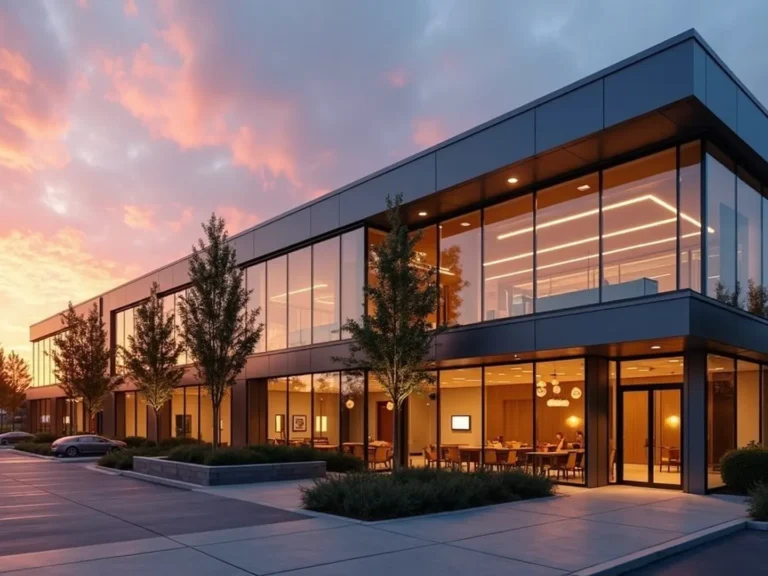
Office Cleaning by Workplace Type

Compare cleaning needs by workplace layout, occupancy, shared amenities, access requirements, and the areas included in each property’s cleaning plan.

Office cleaning can cover agreed work areas, shared spaces, restrooms, breakrooms, conference rooms, floors, and other accessible workplace areas, with tasks, timing, and access confirmed for each property.

Medical Offices and Administrative Areas

Medical offices can arrange cleaning for reception and waiting rooms, private offices, administrative work areas, entrances, corridors, restrooms, breakrooms, and shared common areas. The cleaning plan can separate practice-managed rooms from property-managed spaces while accounting for occupancy, access rules, customer protocols, floor care needs, high-touch surfaces, trash removal, and consumable restocking. Explore medical office cleaning details to compare area needs and prepare for a site specific cleaning discussion.

Corporate Campuses, Office Parks, and Business Parks

Campuses and office parks may contain several buildings, multiple entrances, shared amenities, conference areas, breakrooms, and varying occupancy patterns. A cleaning plan can identify included buildings and office areas, access points, high-use spaces, waste routes, restroom responsibilities, and areas assigned to another provider. Frequency, staffing, movement between buildings, keys, alarms, and off-hours availability remain account-specific.

Coworking and Flexible Offices

Coworking environments can change throughout the day as members use shared desks, meeting rooms, kitchens, lounges, restrooms, and circulation areas. Cleaning decisions can account for occupancy patterns, booked rooms, authorized storage, personal property, and the distinction between recurring work and daytime attention. Day porter support may fit agreed high-use areas while the workplace is active, with tasks, timing, and access confirmed for the account.

Technology Workplaces

Technology workplaces may combine ordinary offices and conference spaces with access-controlled or technical areas. Cleaning coverage can identify accessible workplace areas, restricted rooms, sensitive-equipment boundaries, security procedures, and tasks needing separate review. Technology-office service excludes laboratories, cleanrooms, data centers, production equipment, hazardous materials, and regulated technical cleaning.

Professional and Financial Offices

Law offices, consulting firms, financial offices, and other professional workplaces may emphasize meeting-room readiness, occupied-area coordination, personal-property boundaries, records, and controlled access. Cleaning remains limited to agreed office areas and tasks. Financial-office coverage does not imply access to cash, negotiable instruments, customer or financial records, vaults, secure rooms, credentials, or access-control systems.

Administrative Areas in Adjacent Sectors

Loop can also clean agreed administrative areas within medical, government, education, and property-management organizations. Specialized clinical, laboratory, production, warehouse, guestroom, or residential areas require a different service review.

Match the Workplace to the Right Service

Office cleaning services cover workplace areas and occupied-versus-off-hours considerations. Janitorial services cover recurring program structure, task cadence, and bounded floor care. Day porter services address agreed daytime needs, while commercial carpet cleaning covers separately assessed carpet work. Service-area information is available for Fremont, Las Vegas, Oakland, Palo Alto, Redwood City, and Sacramento. Territory, availability, access, schedule, tasks, surfaces, and exclusions are confirmed for each account.

Frequently Asked Questions

How does cleaning scope differ between a multi-tenant office building and a single-tenant workplace?

A multi-tenant property may divide responsibility among suites and common areas, while a single tenant may control more of the interior. Authorized areas, tasks, and access are defined for each property.

What should a campus or office park identify before service is scoped?

Useful details include buildings and office areas, shared amenities, entrances, access procedures, high-use spaces, restrooms, waste routes, exclusions, and account responsibilities.

How can coworking offices account for changing occupancy?

They can identify peak-use periods, shared amenities, booked rooms, personal-property boundaries, and areas that may need recurring or daytime attention.

What should a technology workplace define around controlled spaces?

Relevant boundaries include accessible offices, restricted rooms, security procedures, sensitive equipment, and technical spaces excluded from ordinary office cleaning.

Which financial-office areas can be discussed without implying secure access?

Coverage may include agreed offices, meeting rooms, reception areas, breakrooms, restrooms, and ordinary circulation areas. Access to cash, records, vaults, credentials, and secure systems is excluded.

How are medical, government, and property-management workplaces bounded?

Coverage remains within agreed office or administrative areas. Clinical, restricted, regulated, residential, and other specialized operational spaces are outside this page’s coverage.

Scroll to Top